Don’t generate random AI images. Generate product creatives that are ready to sell.
AI generated product images for ecommerce means this: upload one real product photo → get a kit of studio packshots, lifestyle scenes, Amazon listing frames, and Meta/TikTok ads — while keeping packaging, logo, color, and product shape intact. No downtown studio day in Brooklyn. No photographer day rate in Austin. No Canva scramble every time you need a 9:16 crop for Reels.
Key Takeaways
- Online shoppers lean hard on visuals: about 75% say they rely on product photos when deciding to buy (Weebly, industry compilation 2026).
- Multi-image listings typically convert better than single-image listings; industry summaries show clear lifts when you move from one shot to a 5–7 image set with angles + lifestyle (Statista / 2025–2026 compilations).
- The 2026 failure mode for US sellers: treat Midjourney, Flux, or GPT Image like an art toy, then force-fit the output onto Amazon Main Image rules — instead of building a product → content kit.
- Winning checklist: clean source photo → identity lock → job-based outputs (studio / lifestyle / ads / marketplace) → aspect-aware export (1:1 · 4:5 · 3:4 · 9:16 · 16:9).
What Are AI Generated Product Images for Ecommerce?
AI generated product images for ecommerce are commercial visuals expanded from a real product photo — built for listings, paid ads, and social — not freeform text-to-image art.
| Art generator (Midjourney, Flux…) | Ecommerce product imagery | |
|---|---|---|
| Input | Text prompt / mood board | Real product photo (phone or packshot) |
| Goal | Pretty / viral frame | Sell-ready assets |
| Constraints | Few — aesthetics first | Keep shape, label, color, proportion |
| Output | One-off files | Channel kit (Amazon, Shopify, Meta…) |
| Success metric | Likes, aesthetic | Listing CTR, ROAS, fewer returns |
If you need the broader frame — ecommerce design ≠ “make an AI image” — read AI Ecommerce Design Is Not AI Image.
US brands do not lack image models. They lack a publishing system: one SKU in → many channel creatives out, same product identity.
Why “Beautiful” AI Images Still Fail on Amazon and Shopify
A gorgeous render that drifts from the real SKU burns trust and drives returns. Roughly 22% of returns tie to items looking different in person than in photos (Weebly / industry compilations).
Three failure modes US teams hit every week:
- Identity drift — melted logos, off-brand carton color, warped bottle proportions (fatal on Amazon Main Image and A+ modules).
- One file for every channel — a square that looks fine on Etsy dies when cropped for Instagram Reels or TikTok Shop.
- No angle system — one hero beauty shot, no detail, no scale, no lifestyle, no proof.
Lifestyle plus packshot commonly lifts conversion about 15–30% versus white-background-only galleries (2026 A/B industry summaries). You need a set, not one “premium” render.
One Product. An Entire Content Kit.
Orauria’s positioning — and the right brief for any US DTC or Amazon seller:
AI Product Photography, Built for Ecommerce.
Or the sharper line:
Don’t generate random AI images. Generate product creatives that are ready to sell.
Pipeline: upload once, sell everywhere
| Pipeline stage | Job of the image | Where it ships |
|---|---|---|
| Studio / Packshot | Clean, premium, controlled background | Amazon Main Image, Shopify PDP hero, catalog |
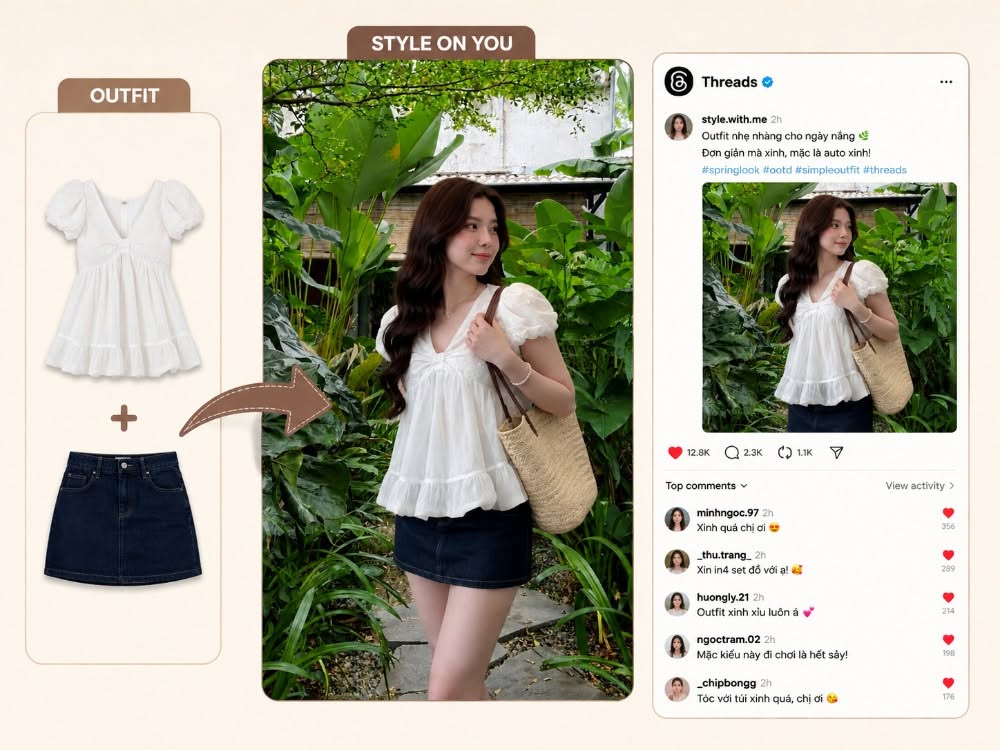
| Lifestyle Scene | Product in a believable US home / use context | PDP gallery, Meta ads, email |
| Marketplace Image | Listing-optimized frames | Amazon, Walmart Marketplace, Etsy, eBay |
| Social Ad | Scroll-stopping creative | Instagram, Facebook, TikTok, Pinterest |
| Campaign Creative | On-brand promo / seasonal | Prime Day, Black Friday, A+ Content, landing pages |
Put these USPs under any hero for this keyword:
- One Product → Multiple Creatives — one SKU photo becomes a full selling set.
- Keep Your Product Consistent — packaging, logo, color, and shape stay true.
- Built for Ecommerce — Amazon, Shopify, Etsy, TikTok Shop, Walmart, your site, and social.
- From Product Photo to Ad — packshot → lifestyle → promo banner → social ad.
- Multiple Formats — 1:1 · 4:5 · 3:4 · 9:16 · 16:9.
How to Create AI Generated Product Images for Ecommerce (5 Steps)
Step 1: Start with an honest source photo
Source quality sets the ceiling. Aim for:
- Even light — no blown highlights on the label
- Front angle + optional 45°
- No watermark, no heavy Instagram filter
- Simple background (white seamless, craft paper, clean desk)
A clean phone photo from a Los Angeles apartment kitchen or a Chicago warehouse shelf is enough. A studio day is optional. Packshot thinking is not. See Packshot Thinking: Enough Angles Without a Studio Day.
Step 2: Lock product identity before you “beautify”
Before lifestyle or ads, freeze:
- Brand / packaging color
- Logo and on-label text (do not invent claims)
- Shape, proportion, material (matte, gloss, glass)
- Hard no-gos (variant SKU, restricted claims, regulated badges)
No identity lock = every generation is a slightly different product — a policy and return risk on Amazon.com.
Step 3: Generate by job, not by vibe
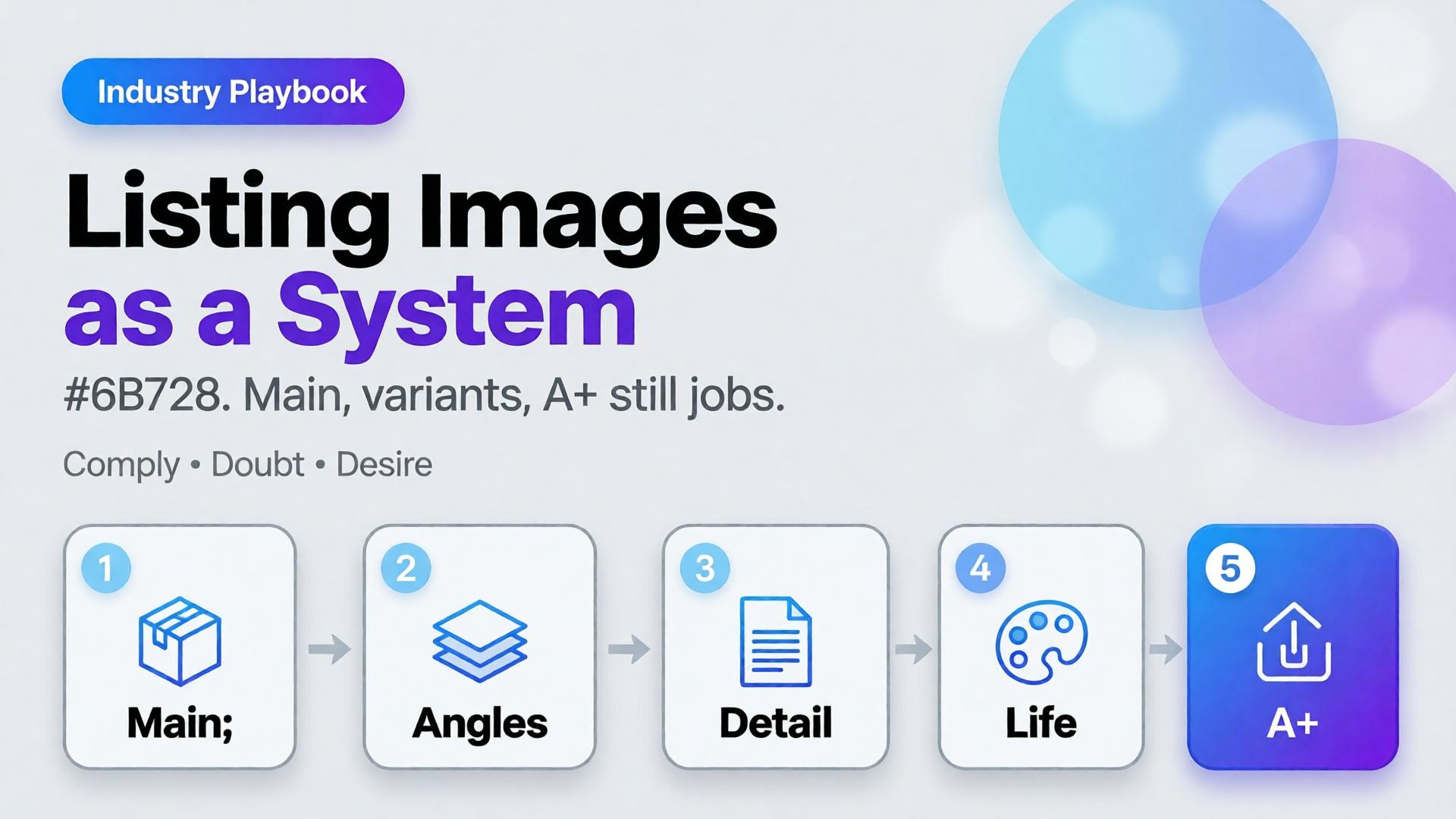
Per SKU, ship at least:
- 1–2 studio / pure white frames (Amazon Main Image friendly)
- 2–3 lifestyle scenes (how Americans actually use it — bathroom vanity, backyard patio, desk setup)
- 1 detail / texture crop
- 1 social ad frame with safe space for headline + CTA
- 1 marketplace / banner crop for seasonal pushes (Prime Day, Black Friday, Cyber Monday)
Do not ask AI to “make it prettier.” Ask: which purchase question does this frame answer? (What does it look like? How do I use it? How big is it? Why not the cheaper listing?)
Step 4: Export aspect-aware for US channels
| Channel | Suggested ratio | Notes |
|---|---|---|
| Amazon Main Image | 1:1 (white background) | Product fills most of the frame; follow current Amazon image rules |
| Amazon secondary / A+ | 1:1 or 16:9 modules | Infographic + lifestyle; keep claims accurate |
| Shopify PDP | 1:1 or 4:5 | Hero + gallery |
| Etsy listing | 1:1 or 4:5 | Lifestyle often wins for handmade / home |
| Instagram / Facebook feed | 1:1 or 4:5 | Lifestyle + ad variants |
| Reels / TikTok / Stories | 9:16 | Protect UI safe zones |
| YouTube / site banners | 16:9 | Seasonal campaign heroes |
Blind-cropping one master file usually wrecks composition. Generate aspect-aware from the start. For multi-crop systems, see One Product: Feed, Story, Cover, Marketplace Banners.
Step 5: QA before you hit Publish (return firewall)
Sixty-second checklist:
- [ ] Product is recognizable in one second on mobile
- [ ] Logo / label readable, not warped
- [ ] Color matches the physical SKU (no “sales filter”)
- [ ] No fake claims in-frame (free gifts, % off, FDA-style badges you do not have)
- [ ] File weight sane for mobile PDP load
- [ ] Lighting family matches the rest of the gallery
For Amazon-specific gallery structure, pair this with Amazon Listing Image System.
Where US Sellers Actually Ship These Images
American brands usually need the same SKU across:
- Amazon.com — white Main Image + secondary angles + A+ modules
- Shopify / WooCommerce — PDP hero, lifestyle gallery, trust shots
- Etsy — lifestyle-forward galleries for home, craft, apparel
- Walmart Marketplace / eBay — clean catalog frames + variant consistency
- TikTok Shop (US) — listing stills + vertical creatives for ads and live
- Meta Ads + Google — angle and background variants for creative testing
One kit keeps the brand from “changing face” between Amazon and Instagram. Seasonal refreshes — back-to-school in August, Halloween in October, holiday in November–December — should remix the same identity, not reinvent the product.
Lifestyle scenes that read “US” without feeling fake
Use believable American contexts, not generic stock fantasy:
- Skincare on a bright bathroom vanity (not a European château marble cliché)
- Coffee gear on a Brooklyn apartment counter or a Portland cafe-style wood table
- Outdoor gear on a Colorado trailhead or Austin backyard patio
- Home goods in a Midwest living room with soft afternoon window light
The scene sells aspiration. The product identity still has to match what ships from your 3PL in New Jersey or California.
When to Use a Real Studio vs AI
| Situation | Do this |
|---|---|
| Launching 30–100 SKUs on a lean budget | AI product imagery + clean phone/packshot sources |
| Prime Day / Black Friday creative refresh | AI variants of lifestyle + banners from locked packshots |
| National brand campaign, tricky materials (chrome, glass, sheer fabric) | Hybrid: shoot a few hero stills, AI-scale the rest |
| Claims that must be photographically true (texture, fill level, size) | Real photo for truth; AI only for context — never invent details |
AI does not replace every shoot in Los Angeles or New York. It replaces the scale bottleneck: creatives × SKUs × channels that a three-person DTC team cannot hand-build before the sale calendar.
Orauria: From Product Photo to Campaign Pack
Orauria is an AI Creative Studio for Product Marketing: upload one product image → generate product photos, ads, social posts, and short videos — then export a campaign pack for Shopify, Amazon, TikTok Shop, and more.
We are not selling “another AI image generator.” We sell a product → ecommerce content system:
- One upload → many consistent creatives
- Product identity held across listing and ads
- Formats ready for US selling channels
CTA: Create Your First Product Kit →
Want the workspace framing? What Is Orauria? AI Creative Workspace for Ecommerce.
FAQ — AI Generated Product Images for Ecommerce
Can I use AI product images on Amazon?
Yes — if they still represent the real item and follow Amazon’s current image and AI-disclosure policies. Keep truthful Main Image standards (typically pure white background, product as the focus). Use AI to expand lifestyle, secondary angles, and A+ visuals — not to invent a different product.
How is this different from background removal?
Background removal is one step. AI generated product images for ecommerce also means lifestyle, ads, banners, multi-aspect exports, and identity lock across the whole kit.
How many images should each listing have?
In practice, 5–7 images (angles + detail + lifestyle) often balances better than a single hero or a 12-image decision-fatigue gallery. Measure on your own Amazon and Shopify traffic.
Do I need advanced prompting?
Not if the tool is ecommerce-native (upload product → pick image job → generate). The commercial brief matters more than prompt poetry: channel, job, identity lock, format.
Is Midjourney enough for Amazon and Shopify?
It can produce beautiful frames. It usually lacks identity lock + multi-format + marketplace pipeline. Treat art models as an engine layer; you still need a product kit / selling workflow on top.
Conclusion
AI generated product images for ecommerce win when you measure sell-through and listing trust — not how “AI-looking” a single frame feels on Behance.
Remember three moves:
- Lock identity from a real source photo
- Generate by job (studio → lifestyle → marketplace → social ad)
- Export the right formats and QA before publish
Next step: pick your best-selling SKU on Amazon or Shopify, build one product kit with the five image jobs above, then A/B the Main Image or PDP hero for 7–14 days.