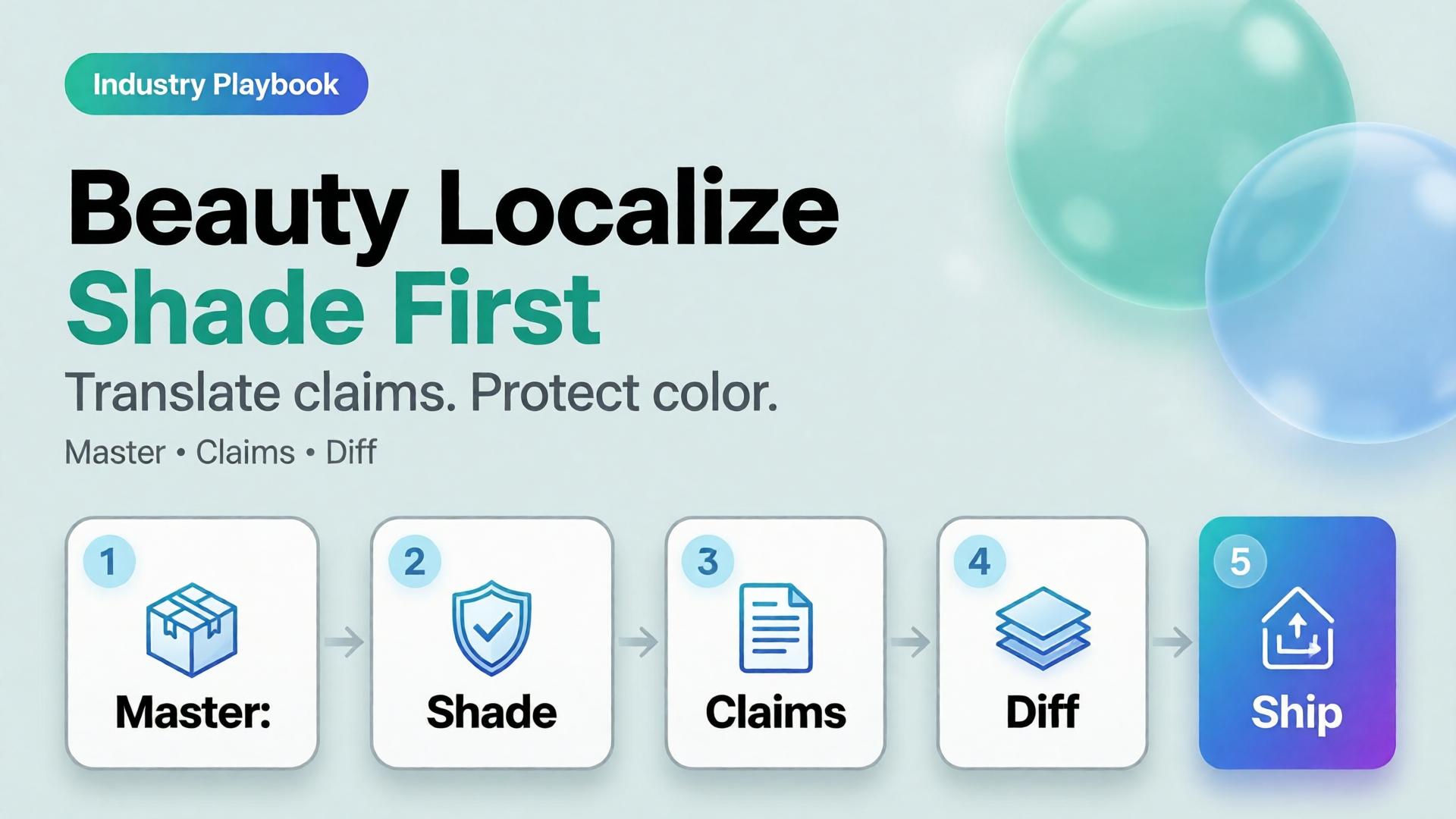
Lifestyle Context Mapping: Why Beauty Ads Need Scenes, Not White Backgrounds
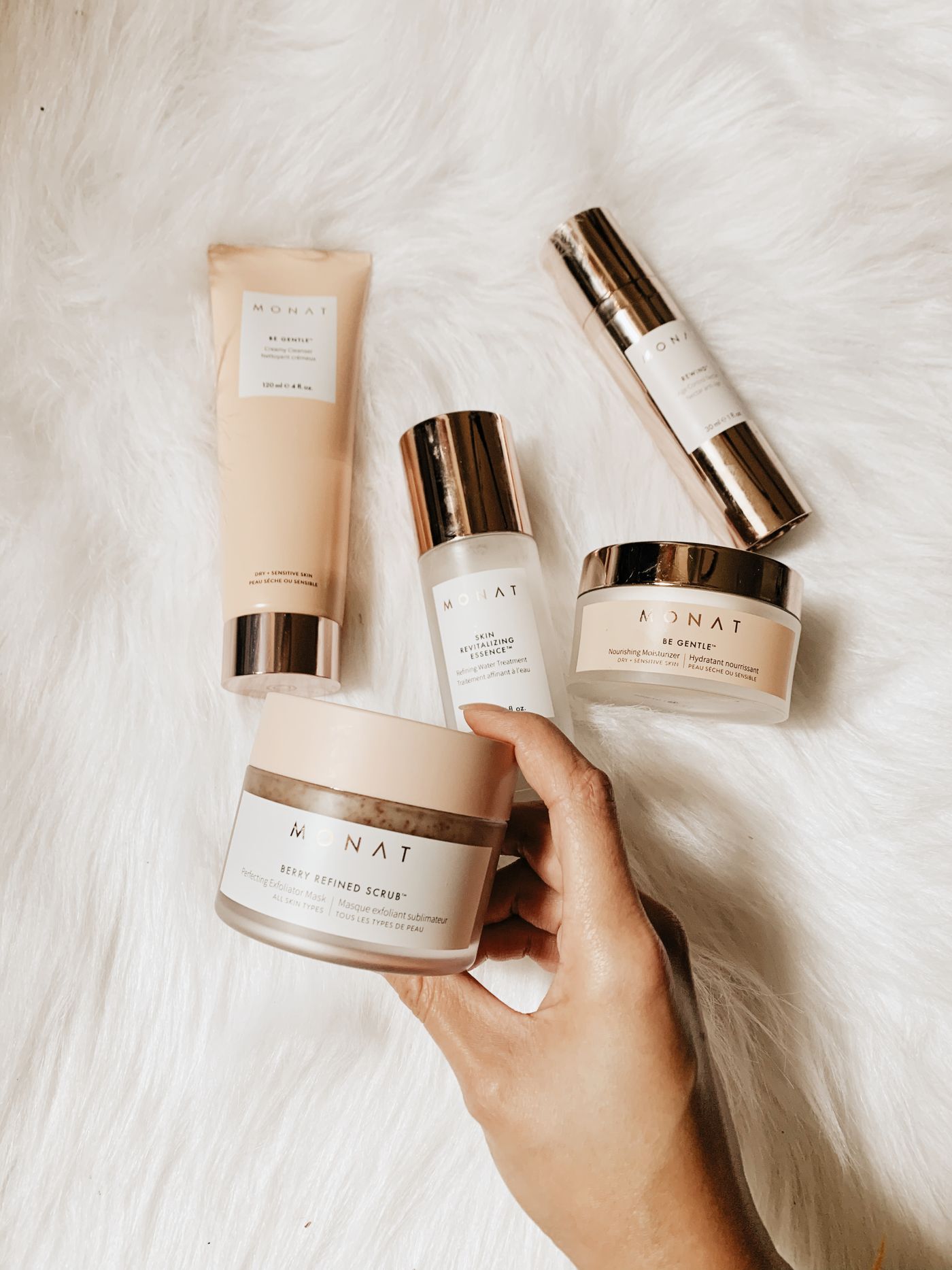
A serum bottle on white tells a shopper what the product looks like. It does not tell them whether it belongs in their morning, their skin concern, their bathroom shelf beside the things they already trust. Beauty is not sold through isolation. It is sold through recognition — the moment a viewer thinks, that looks like my routine.
That is why the most effective AI beauty ads are not prettier packshots. They are lifestyle context maps: deliberate grids of scenes that place the same product inside believable moments — morning light, gym bag, hotel sink, pre-event mirror — without breaking brand coherence.
Key Takeaways
- Beauty shoppers convert on context and proof, not white-background clarity alone. Aggregated Shopify beauty benchmarks put median DTC conversion around 3.2%, with top performers using mixed visual strategies above 3.5% (acceleroi, 2026).
- Lifestyle context mapping is the pre-render step: list every life moment your buyer inhabits, then assign one scene per context before any AI image generates.
- Pair studio clarity (texture, shade, scale) with lifestyle scenes (ritual, application, environment). Hybrid PDP layouts routinely outperform single-style galleries.
- The SCENE method turns context maps into repeatable briefs — Story, Context, Emotion, Narrative, Extension — for every SKU.
This is an industry playbook, not a software tutorial. If you need the parent framework, read AI Ecommerce Design Is Not AI Image first. If you need the storytelling structure, read The SCENE Method. This article answers the beauty-specific question: which scenes matter, and in what order?
Why Do White-Background Beauty Ads Underperform?
White backgrounds solve a logistics problem. They satisfy marketplace rules, show true color, and scale cleanly across catalogs. They do not solve a psychology problem.
Beauty buyers ask three silent questions in the first two seconds:
- Will this work for someone like me?
- Where does this fit in my routine?
- Does this brand feel credible or generic?
A floating bottle on seamless white answers none of them. It is catalog infrastructure — necessary, but not persuasive.
In 2026, aggregated beauty ecommerce data shows that customer before-after results and authentic social proof on product pages can lift conversion 40–70% compared to lifestyle imagery alone (acceleroi beauty benchmark, 2026). Lifestyle scenes alone are not enough either. The winning structure is layered: clarity shots for trust, lifestyle scenes for desire, proof for friction removal.
What Is Lifestyle Context Mapping?
Lifestyle context mapping is a pre-production grid. For each hero SKU, you list the physical and emotional environments your buyer actually inhabits — then assign one visual scene per context before generating anything.
| Step | Action | Output |
|---|---|---|
| 1 | Define buyer persona + primary concern | One sentence: who, skin type, main worry |
| 2 | List 5–7 real-life contexts | Morning, commute, gym, office, travel, evening, event |
| 3 | Assign emotion per context | Calm, confidence, recovery, glamour, etc. |
| 4 | Map narrative order | Which scene opens, which proves, which closes |
| 5 | Plan format extension | PDP, Reels, TikTok Shop, email, marketplace |
This is SCENE applied as a category playbook. Story and Context become rows in the grid. Emotion becomes the column that keeps scenes from feeling interchangeable.
Which Lifestyle Contexts Matter Most for Beauty?
Not every context deserves a render. Start with the high-frequency moments your buyer repeats weekly.
Core context library (beauty & skincare)
| Context | Physical setting | Buyer mindset | Best for |
|---|---|---|---|
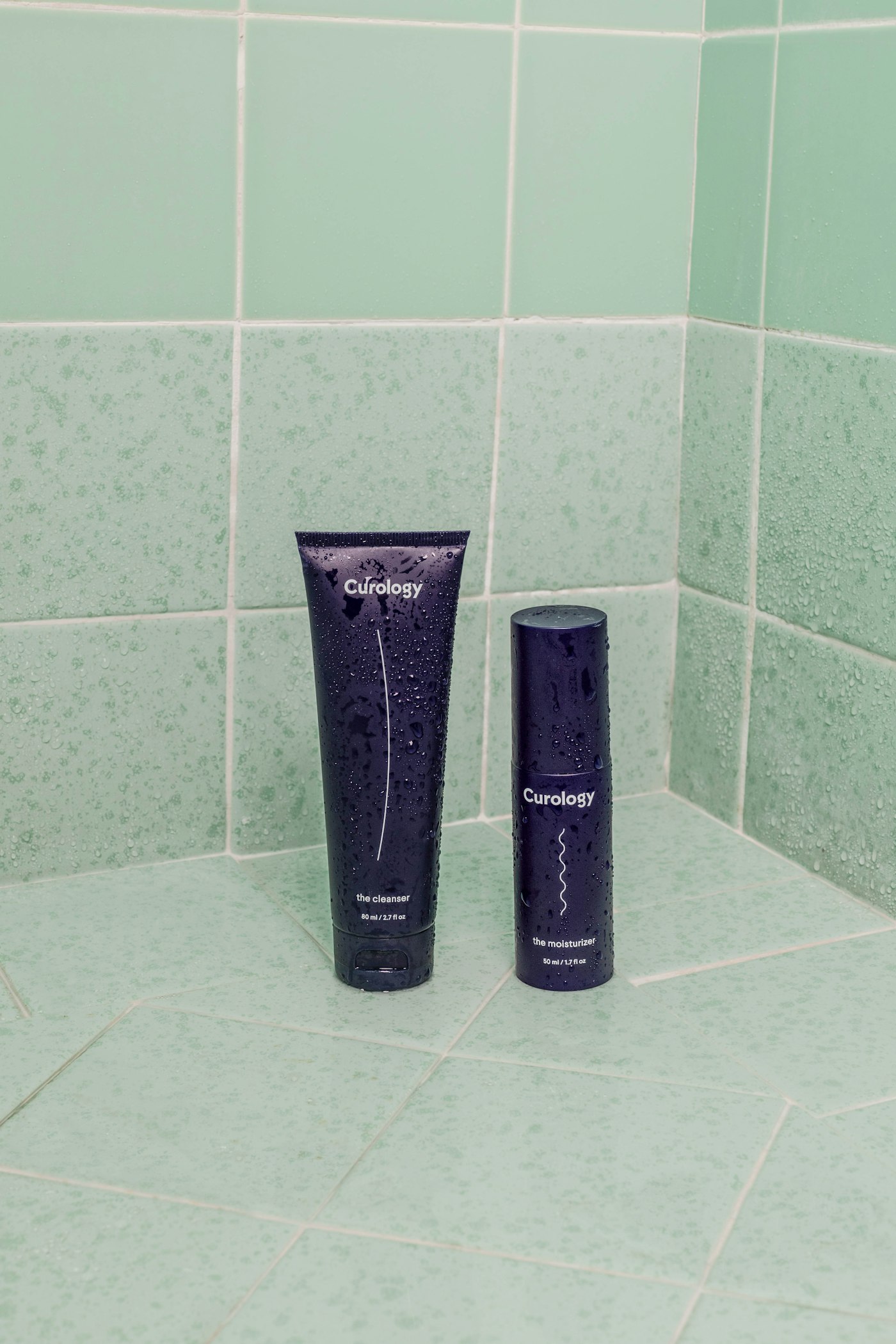
| Morning ritual | Bathroom shelf, window light | Reset, preparation | Serums, SPF, cleansers |
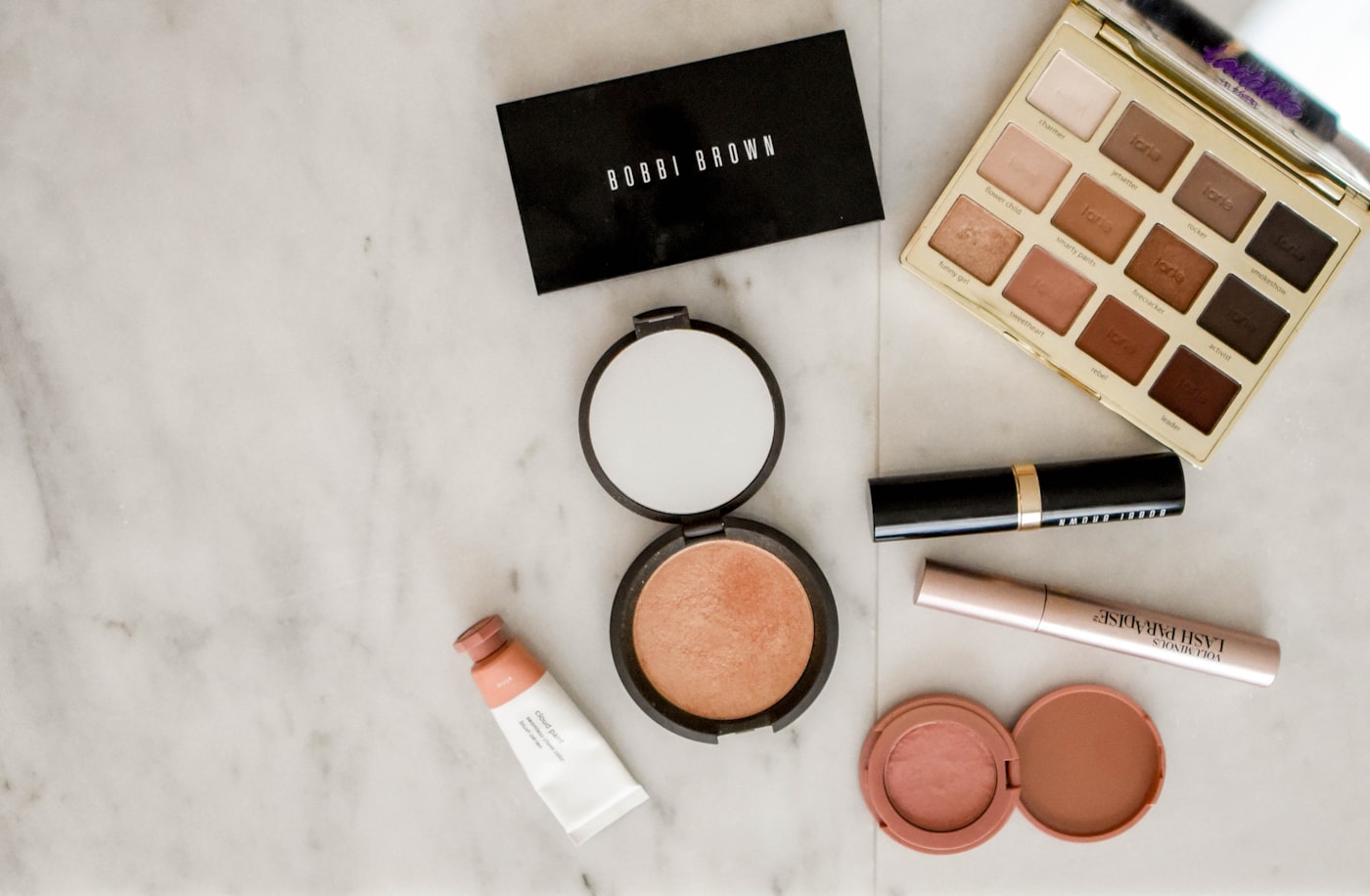
| Pre-event prep | Vanity mirror, evening glow | Confidence, transformation | Makeup, highlight, fragrance |
| Gym / active | Locker, minimal kit | Performance, simplicity | Sweat-proof, minimal skincare |
| Workday desk | Office bathroom, compact bag | Discretion, refresh | Lip tint, hand cream, mist |
| Travel | Hotel sink, carry-on | Continuity, TSA-friendly | Travel sizes, multi-use |
| Wind-down | Nightstand, soft lamp | Recovery, care | Retinol, night cream, masks |
| Social / gift | Wrapped box, linen surface | Generosity, discovery | Sets, limited editions |
You do not need all seven for every SKU. A vitamin C serum might own morning ritual, travel, and pre-event prep. A lip product might own workday desk, pre-event, and social gift.
The 4-scene minimum for a beauty launch
For a hero SKU launch week, map at least four contexts:
- Clarity — texture swatch, shade, or dropper macro (studio logic)
- Ritual — product in use inside a believable routine
- Proof — application sequence or result implication (not fake clinical)
- Extension — travel, gift, or second routine moment
Four scenes. One product story. Enough range for PDP gallery, paid social, and email — without aesthetic drift.
How Do You Build a Context Map for a Hero SKU?
Walk through a vitamin C brightening serum for urban women 25–40, primary concern: dullness and uneven tone.
Context map example
| # | Context | Story (one sentence) | Emotion | Channel |
|---|---|---|---|---|
| 1 | Morning ritual | First light on the shelf; she reaches for serum before sunscreen | Calm renewal | PDP gallery slot 2 |
| 2 | Texture proof | Dropper mid-application, skin close-up, honest light | Trust, clarity | PDP macro + marketplace |
| 3 | Pre-event prep | Mirror glow before dinner; serum already absorbed | Confident radiance | Instagram Reels |
| 4 | Travel essential | Hotel bathroom, compact bag, same bottle | Capable, cared-for | TikTok Shop, email |
Notice: scene 2 is not "lifestyle" in the aspirational sense. It is proof context — still a scene, still a story, still emotion (trust). Beauty context maps include studio-adjacent moments. They are not only living rooms and cafés.
Mapping makeup differently
A soft matte lipstick might shift contexts:
| Context | Why it matters |
|---|---|
| Morning coffee | Everyday identity — "my default face" |
| Office elevator mirror | Quick refresh, professional polish |
| Evening restaurant | Color depth under warm light |
| Gift unboxing | Discovery, shareability |
Same SCENE logic. Different rows because the buyer moment changes.
What Visual Rules Keep Beauty Scenes Credible?
Beauty AI ads fail when scenes feel like stock photo agencies — too perfect, too generic, wrong skin logic. Guard with four rules:
1. Light logic must match the context. Morning bathroom = soft directional window light. Pre-event = warmer, lower angle. Gym = flatter, cooler overhead. Break light logic and the set feels pasted together.
2. Skin texture stays honest. In 2026, Adobe found 75% of creators believe audiences can detect meaningful AI involvement in creative work (Adobe Creators' Toolkit Report, 2026). Over-smoothed skin reads as fake faster than any watermark. Aim for credible texture — not clinical sterility, not plastic perfection.
3. Product scale stays consistent. A serum bottle should not change size between scenes. Use reference images for bottle geometry across the map.
4. Palette pulls from brand kit. Bathroom tile, towel, and background tones should echo brand colors — not model defaults. This is where AI ecommerce design meets beauty: Brand Style guardrails stop drift across a 20-image batch.
When drift appears, read Brand Consistency Trap: 5 Times AI Broke Your Visual Identity (coming soon).
How Does Context Mapping Connect to Channel Strategy?
Each context row should ship with a format intention — not just a pretty picture.
| Channel | Context types that win | Format note |
|---|---|---|
| PDP gallery | Clarity + ritual + proof | Hero often stays white/compliant; scenes fill slots 2–6 |
| Instagram / Reels | Ritual, pre-event, application | Vertical, motion-friendly, 3-second hook |
| TikTok Shop | Honest routine, texture, result hint | Native, not overly polished |
| Email hero | Single strongest emotion scene | One frame, one feeling |
| Marketplace main | Clarity / compliance first | Lifestyle in secondary slots only |
Adobe's 2025 survey found 72% of creators frequently create content on mobile (Adobe MAX 2025, 2025). Map contexts for thumb-stop moments — not only desktop gallery browsing.
What Is the Difference Between Context Mapping and Random Lifestyle Prompts?
Random prompting: "serum in a luxury bathroom," "serum on marble," "serum with plants." Three pretty images. Zero narrative.
Context mapping: predefined rows tied to buyer frequency, emotion, and channel job. Every scene answers why it exists.
| Random lifestyle | Context mapping |
|---|---|
| Aesthetic variety | Buyer-moment coverage |
| Each prompt standalone | Rows connect as chapters |
| No format plan | Channel assigned per row |
| Drift likely | Brand rules enforced upfront |
The SCENE method Extension dimension is where you list formats before rendering — preventing the Friday panic when paid social needs a vertical crop nobody planned.
A Playbook Workflow (Thinking, Not Clicking)
For beauty SMEs and creators running AI-assisted production:
- Persona + concern — one sentence buyer definition
- Context library — pick 4–6 rows from the core table
- SCENE brief per row — story, context, emotion, narrative role
- Moodboard gate — lock light temperature and palette before batch
- Generate per row — explore freely, curate one winner per context
- Adapt per channel — crop, resize, motion extract where needed
- Save map as template — next SKU swaps product, keeps contexts
Fashion teams use a parallel playbook in lookbook thinking. F&B brands will get theirs in From Shelf Photo to Hero Shot (coming soon). Beauty's difference is ritual frequency — the same face, the same mirror, the same concern, repeated daily.
When Should Beauty Brands Still Use White Backgrounds?
Always — for clarity jobs:
- Marketplace main image compliance
- Shade matching and color accuracy
- Texture macro and ingredient implication
- Comparison layouts (shade range, size reference)
White is not the enemy. White-only is the trap. The playbook is deliberate alternation: clarity establishes trust, lifestyle establishes desire, proof removes doubt.
Aggregated ecommerce photography data consistently shows hybrid galleries — studio plus lifestyle — outperforming single-style pages, with uplifts commonly cited in the 15–30% range for lifestyle additions over packshot-only layouts (industry A/B aggregates, 2025–2026).
Map your next beauty campaign on Orauria: Try Orauria
Frequently Asked Questions
How many lifestyle scenes does a skincare PDP need?
Start with four: one clarity/texture shot, one morning ritual, one proof/application moment, and one extension context (travel or gift). Expand to six only after brand rules and light logic are locked.
Can AI beauty ads replace UGC and before-after content?
No — and they should not try. Lifestyle context maps handle aspiration and routine. Customer proof handles "will it work for me?" The strongest beauty PDPs layer both. Data from beauty DTC benchmarks consistently ranks authentic customer results among the highest conversion levers in the category.
Which AI beauty ad contexts work best for TikTok Shop?
Honest routine moments outperform luxury fantasy on TikTok: real bathroom light, application texture, compact desk refresh. Contexts that feel native to how users film themselves — not catalog reshoots.
Do I need a model in every beauty scene?
No. Hands, bathroom environments, vanity surfaces, and product-in-context still tell strong stories. Use faces when identity and aspiration are the sell; skip them when texture, shade, or ritual is the sell.
How does context mapping work with the SCENE method?
Context mapping is the grid. SCENE is the brief per row. Map contexts first, then write Story, Context, Emotion, Narrative role, and Extension for each line before generating.
What is the biggest mistake in AI beauty lifestyle ads?
Generating "luxury bathroom" prompts without defining which buyer moment the scene represents. Without a moment, you get generic spa imagery that converts like wallpaper.
Conclusion
Beauty ads do not need more marble counters. They need mapped moments — the morning reach, the pre-event mirror, the hotel sink, the gym bag zip.
Lifestyle context mapping turns those moments into a production grid before AI opens. Pair clarity with ritual. Assign emotion per scene. Plan the channel. Enforce brand rules across the batch.
White backgrounds are still necessary. They are no longer sufficient. The brands that win in AI-assisted beauty creative are not the ones with the prettiest single render. They are the ones who mapped the life first — then filled it with scenes that feel true.
References
- acceleroi, Shopify Beauty & Skincare Conversion Rate Benchmark 2026. https://www.acceleroi.com/posts/benchmarks/shopify-beauty-skincare-conversion-rate
- Adobe, 2026 Creators' Toolkit Report, June 16, 2026. https://news.adobe.com/news/2026/06/creators-toolkit-report-2026
- Adobe, Inaugural Creators' Toolkit Report (Adobe MAX 2025), October 28, 2025. https://news.adobe.com/news/2025/10/adobe-max-2025-creators-survey
- Idukki, UGC Statistics 2026 — Beauty + Cosmetics Vertical, Q1 2026. https://www.idukki.io/resources/ugc-statistics